Leadership & Advisory Board
Low Acid Coffee Consumer Standards Association (LACCSA) establishes science-based truth in coffee acidity labeling. Below, our board members are presented with their credentials, missions, and a dedicated space for their pictures.
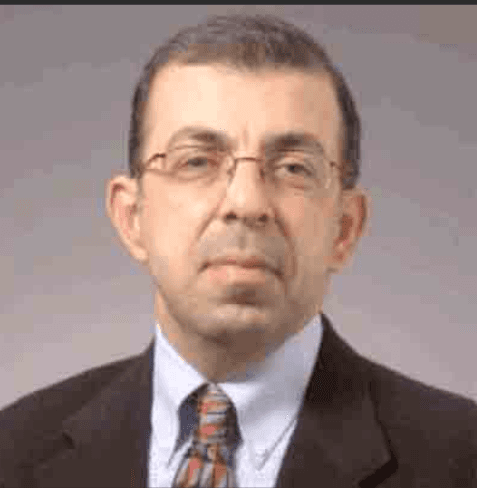
Dr. Salam A. Ibrahim, PhD
Founder & Chair — LACCSA
Dr. Salam A. Ibrahim is an internationally recognized food scientist and Professor of Food Microbiology and Biotechnology at North Carolina A&T State University, one of the leading agricultural and food science institutions in the United States. His research spans food safety, fermentation science, probiotic systems, and organic acid metabolism—the very biochemical processes that govern how acidity forms, persists, and impacts the human digestive system. As Founder of LACCSA, Dr. Ibrahim leads the effort to bring scientific rigor and biological relevance to the definition of “low-acid coffee.” His work ensures acidity claims are based on measurable chemical and physiological standards. Dr. Ibrahim’s leadership positions LACCSA not as a trade group, but as a public-interest scientific authority dedicated to protecting consumers from misleading acidity claims.
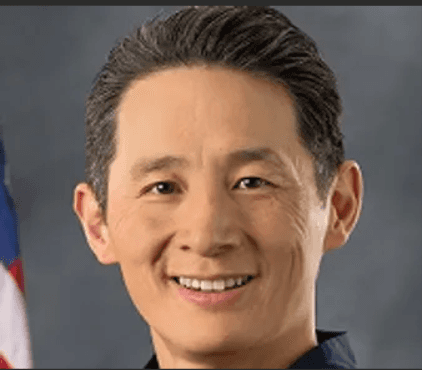
Dr. Taka Shibamoto, PhD
Senior Scientific Advisor
Dr. Taka Shibamoto is Professor Emeritus of Environmental Toxicology and Food Chemistry at UC Davis, and a world’s foremost authority on thermal chemistry and food reaction pathways. His research into Maillard reactions, roasting chemistry, and organic acid formation provides foundational insight into how coffee processing alters acidity, bitterness, and gastric impact. At LACCSA, Dr. Shibamoto advises on how roasting and processing change the chemical structure of acids, enabling us to distinguish genuine low-acid coffee from products that merely reduce caffeine or dilute acidity.