Truth in Labeling.

Truth in Labeling.

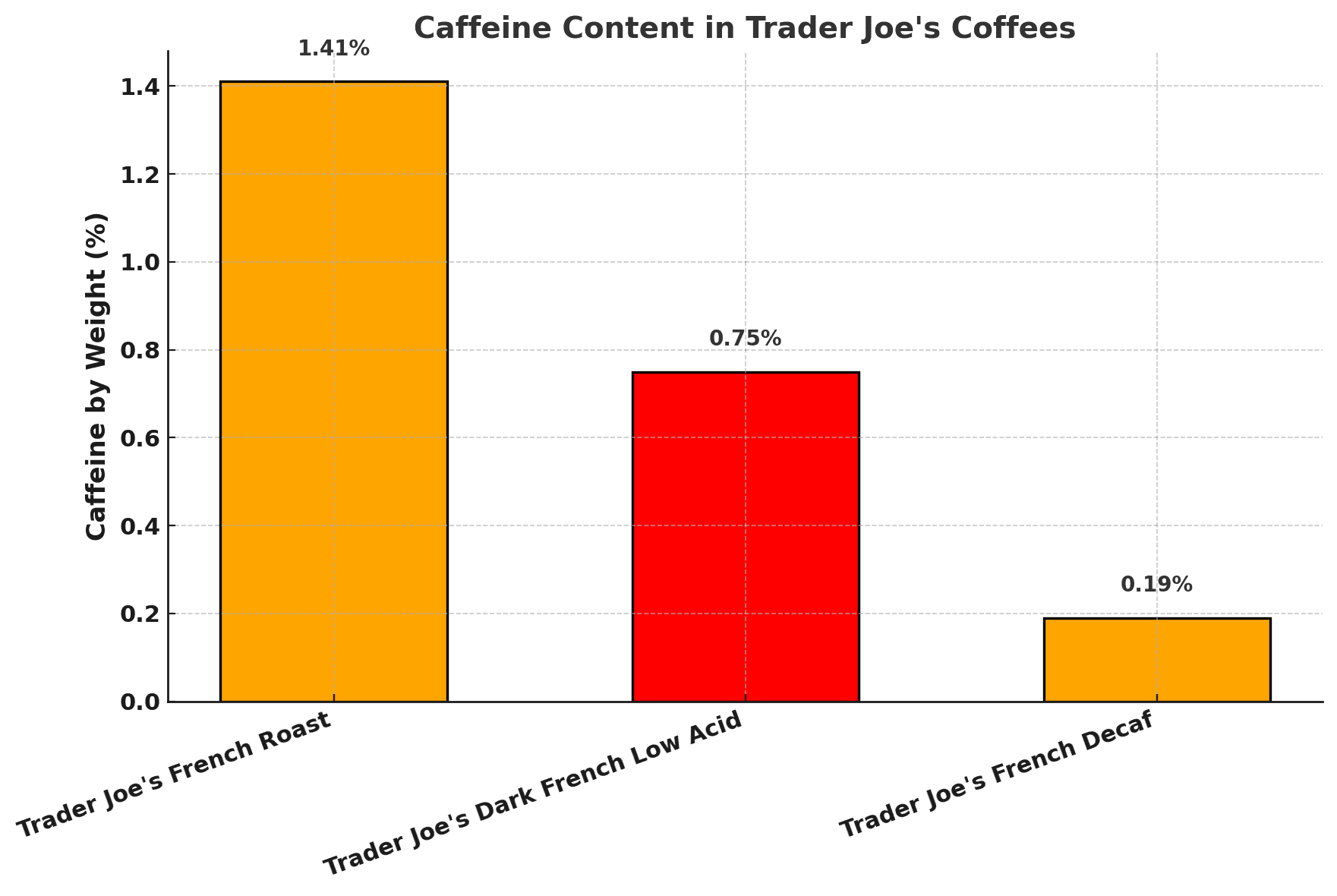
Did you know Trader Joe’s Low Acid Coffee reduces your caffeine by 50%—without telling you?

Did you know Trader Joe’s Low Acid Coffee reduces your caffeine by 50%—without telling you?

Caffeine is essential to coffee. Reducing it to achieve lower acid, then hiding that fact, is a violation of consumer trust. We believe you have a right to honest labeling and full transparency.

Caffeine is essential to coffee. Reducing it to achieve lower acid, then hiding that fact, is a violation of consumer trust. We believe you have a right to honest labeling and full transparency.

Fraud Coffee
Fraud Coffee
Fraud Coffee

Hidden reduction.

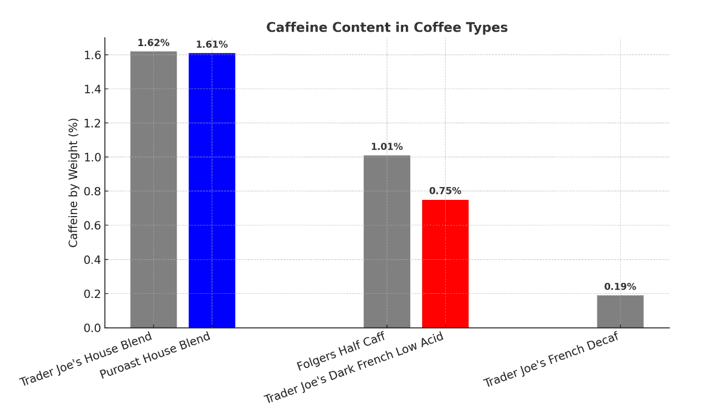
Trader Joe’s method lowers acid by removing half the caffeine, but keeps this off the label.

Trader Joe’s method lowers acid by removing half the caffeine, but keeps this off the label.

Trader Joe’s method lowers acid by removing half the caffeine, but keeps this off the label.

Material omission.

Caffeine is fundamental to coffee. Not disclosing its reduction misleads consumers.

Why This Matters—And Why It Violates State Consumer Protection Laws

Trader Joe’s sells a product labeled as “low acid coffee,” a natural food product consumers reasonably expect to still retain the core characteristics of coffee, including caffeine.

But here’s the problem:

Trader Joe’s uses a process well known in the coffee industry to significantly reduce caffeine.

Caffeine is a core, material part of coffee and a primary reason people buy it.

Trader Joe’s does not disclose that caffeine is materially reduced.

At the same time, Trader Joe’s tells consumers through customer service that there is no meaningful reduction in caffeine.

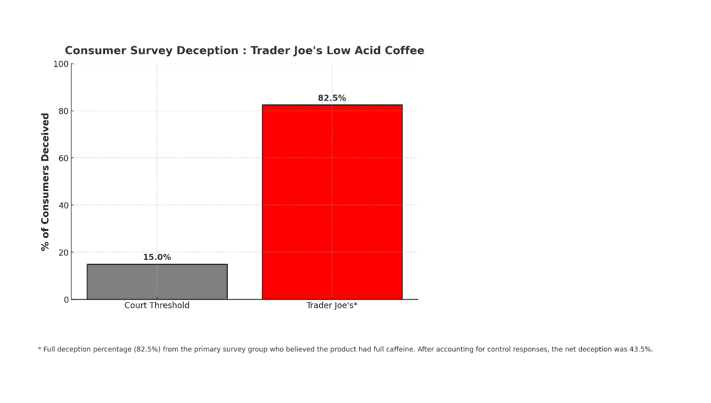
Removing a material ingredient from a natural food product — while denying that removal to consumers — is deceptive. This type of conduct is prohibited by state Unfair and Deceptive Acts and Practices (UDAP) laws.

Why This Is Deceptive—Not Just “Lack of Labeling”

Trader Joe’s points to the fact that coffee is not required to list exact caffeine content. That misses the point.

When caffeine is materially reduced, consumers are normally told — as with decaf or half-caff.

Trader Joe’s is using a process functionally equivalent to partial decaffeination.

It is exploiting a labeling gap while removing a material ingredient and telling consumers it has not done so.

Consumer protection laws do not allow companies to hide behind technicalities while misleading people about what they are buying.

This is exactly the kind of conduct UDAP laws exist to stop.

This Is Not an Isolated Mistake

This is not a one-time labeling error.

The product is standardized.

It is sold nationwide.

Consumers receive consistent responses denying material caffeine reduction.

That pattern points to a systemic deceptive practice, not an accident.

What We Are Asking State Attorneys General and Local Prosecutors To Do

We respectfully ask State Attorneys General and local prosecutors to:

• Investigate this conduct under state consumer protection (UDAP) laws
• Require disclosure of: Coffee processing methods, Internal caffeine testing, Customer service scripts and guidance
• Take enforcement action if deception is confirmed, including:
- Court orders stopping the practice
- Civil penalties
- Corrective disclosures to consumers

Bottom Line

Trader Joe’s is omitting disclosure of a material reduction in caffeine while telling consumers that no such reduction exists.

While consumer protection laws vary by state, all states prohibit deceptive omissions and misleading representations about material facts in consumer goods.

Add your voice: Sign the petition and demand that Trader Joe’s disclose full decaffeination details in their low acid product. Stand up for true transparent labeling of low acid coffee—consumers everywhere in the United States deserve the truth.